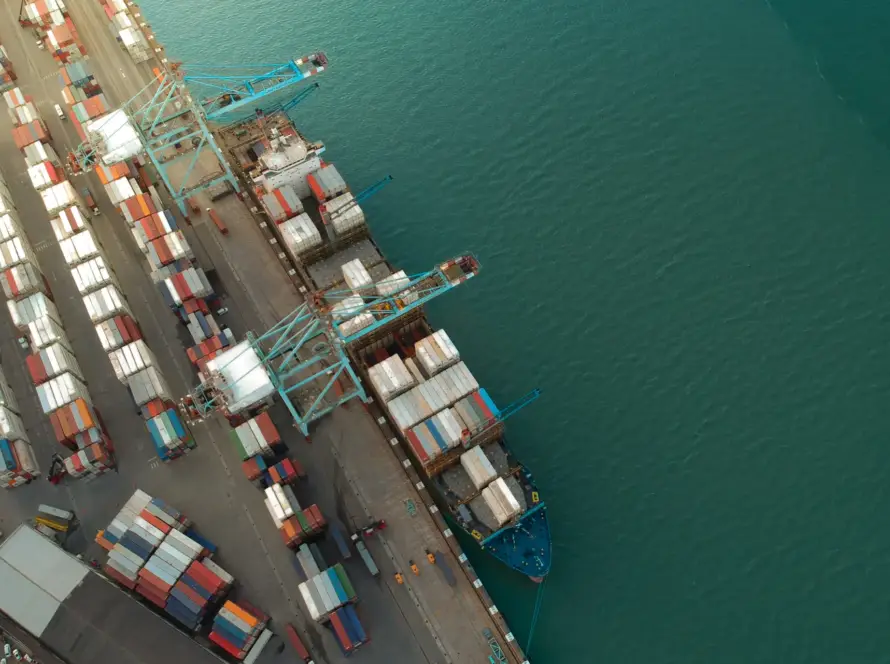
Transportation plays a crucial role in Morocco's economy. As a crossroads between Africa, Europe, and the Middle East, Morocco benefits from a strategic position that makes it a key player in global trade exchanges. However, like any expanding sector, international transport in Morocco faces its share of challenges, as well as numerous opportunities. This article explores the modes of transportation, infrastructure, challenges, and solutions related to this sector, as well as the impact of international transport on the Moroccan economy.
The Key Role of International Transport in the Moroccan Economy
International transport is one of the main drivers of trade and economic development in Morocco. Due to its geographical location, the country serves as a logistical hub connecting Africa, Europe, and Asia. The sector plays a crucial role in facilitating the exchange of goods and services and enables Morocco to capture a significant share of global trade flows. Whether by sea, air, or land, Morocco's transport infrastructure directly contributes to the country's growth and its integration into major global supply chains.
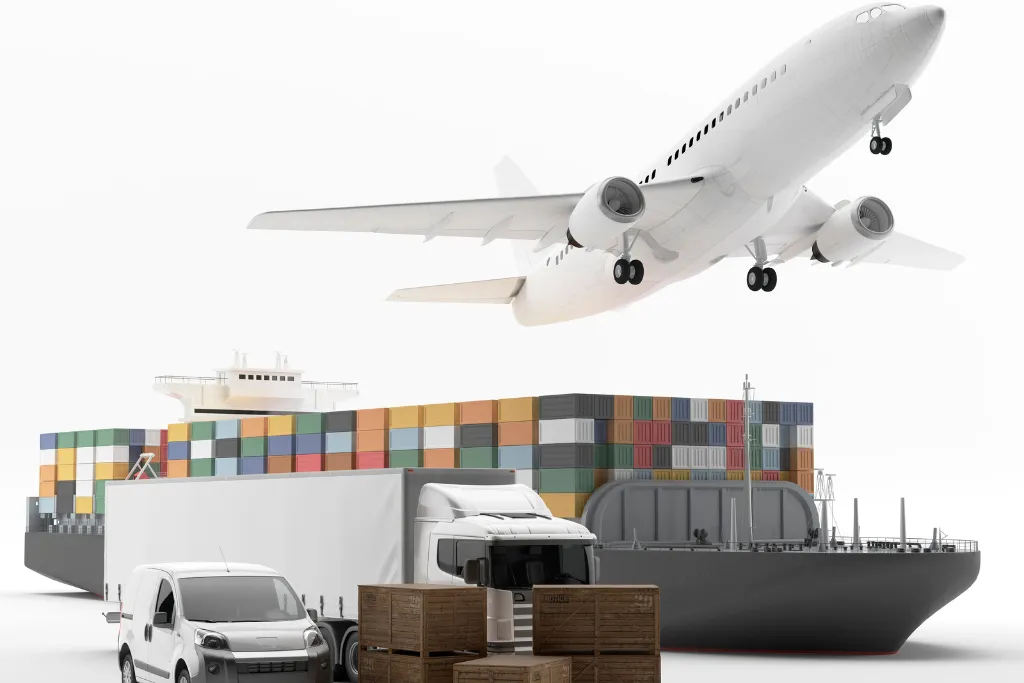
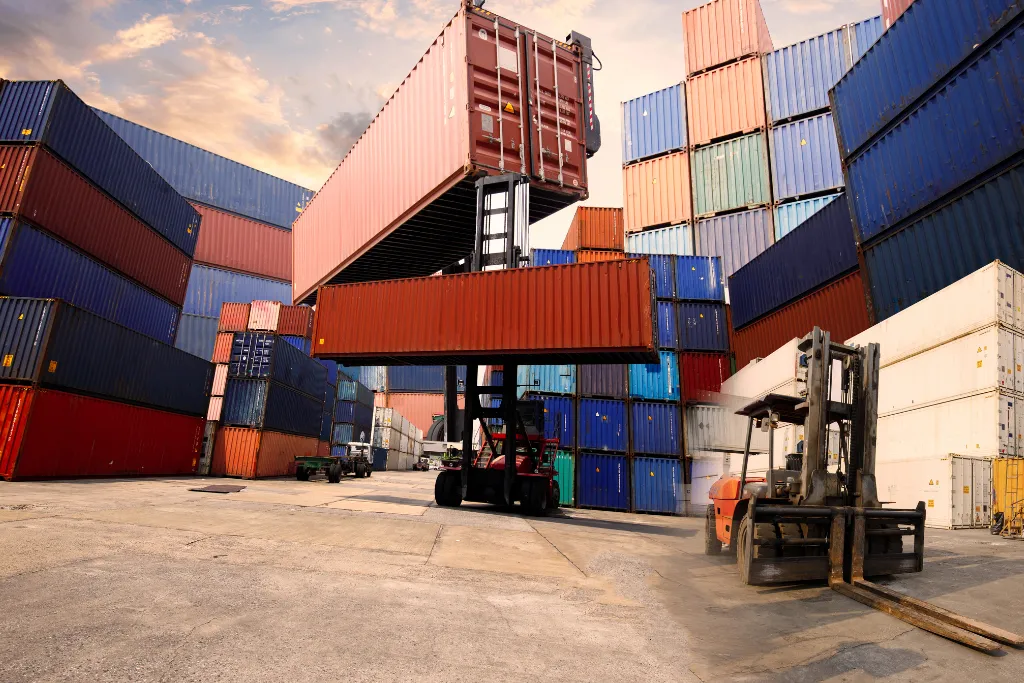
Morocco has made significant progress in developing its logistics infrastructure. These advancements are at the heart of the country's transformation into an international transport hub.
Moroccan Ports: Tanger Med and Casablanca Leading the Way
Moroccan ports are strategic assets for the country. Tanger Med, in particular, is one of the most modern ports in Africa and plays a crucial role in the transport of goods between Europe and Africa. Casablanca remains a key port for imports and exports, although it is often more congested than Tanger Med.
Moroccan Airports: Connecting Morocco to the World
Morocco has an efficient airport network, with hubs like Casablanca, Marrakech, and Fès providing constant connections to numerous international cities. These airports are equipped with modern terminals and are continually expanding to meet the demands of international air transport.
Highways and Rail Networks: A Growing Network
Morocco's highway network is well-developed, connecting the major cities across the country. The development of the rail network, particularly with the introduction of the high-speed train (TGV), has significantly improved connectivity between different regions of Morocco and its Maghreb neighbors. This development continues, with extension and modernization projects aimed at improving the flow of commercial exchanges.
Challenges of International Transport in Morocco
Despite the many advancements, the international transport sector in Morocco faces several significant challenges.
Port and Airport Congestion
Congestion is one of the main challenges faced by Moroccan ports, particularly the port of Casablanca. The growing volume of goods and passengers creates bottlenecks and slows down the efficiency of exchanges. Moroccan authorities are working to modernize and expand the infrastructure to address this issue.
The Issue of Customs and Administrative Procedures
Customs and administrative procedures remain a source of frustration for businesses due to the slow processes and the complexity of regulations. This can lead to delays in shipments and increase costs associated with international transport.
Challenges Related to Transport Security
The safety of goods and infrastructure remains a major issue for international transport in Morocco. The country has implemented various security measures, but risk management, particularly in maritime and air transport, remains an ongoing challenge.
Solutions to Improve International Transport in Morocco
Morocco is implementing several solutions to strengthen its international transport sector and overcome current challenges.
Development of Digitalization and Logistics Technologies
The integration of digital technologies into logistics processes is one of the major solutions. The automation of customs procedures and the use of blockchain for tracking goods help improve transparency and efficiency in the sector.
Improvement of Infrastructure to Boost Exchange Efficiency
The continuous expansion of ports, airports, and the rail network is a priority for Morocco. The country is investing heavily in modernizing its logistics infrastructure to meet the growing demand and strengthen its position as a leader in Africa.
Government and Business Initiatives to Strengthen the Sector
The Moroccan government, in partnership with private companies, has implemented numerous initiatives to improve the competitiveness of the transport sector. This includes administrative reforms, tax incentives for investors, and public-private partnerships to finance infrastructure projects.
Conclusion: The Impact of International Transport on the Economy
The international transport sector has a significant impact on the Moroccan economy, contributing to the country's economic growth.
Job Creation and Private Sector Development
The rise of international transport has created numerous jobs, particularly in the sectors of logistics, infrastructure, and trade. Moroccan companies benefit from greater visibility in the international market, thereby stimulating entrepreneurship and growth in the private sector.
Contribution to Economic Growth and Trade
International transport facilitates trade, supports Moroccan exports, and thus directly contributes to the country's GDP growth. This enables Morocco to diversify its revenue sources and position itself as a key player in global trade.