International freight transport is an essential sector for global trade, but it can also be complex due to different regulations, distances and means of transport. To succeed in this field, it's important to follow proven practices that optimize efficiency, safety and profitability. This article explores best practices to ensure the smooth running of international transport.
Choosing the right mode of transport
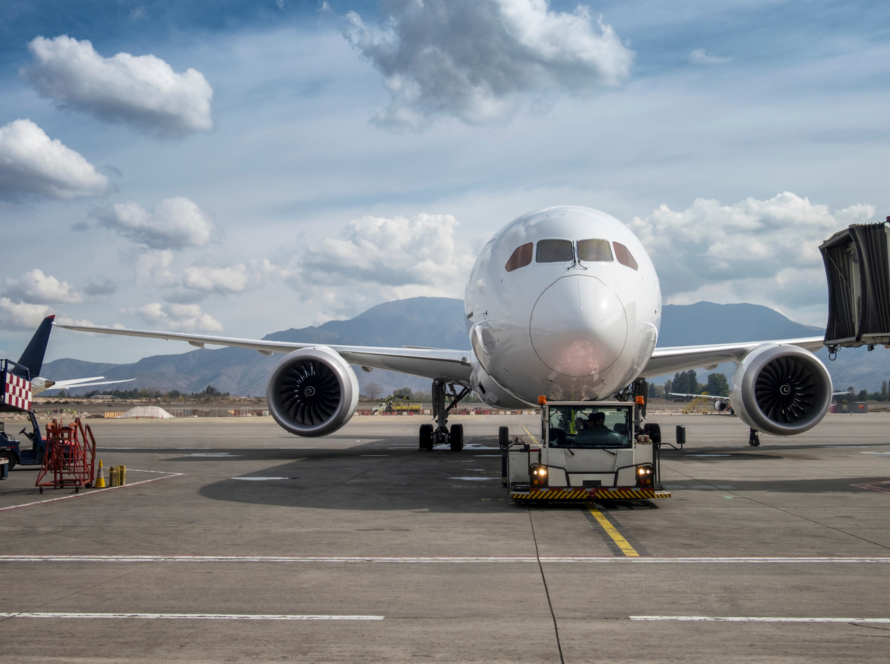
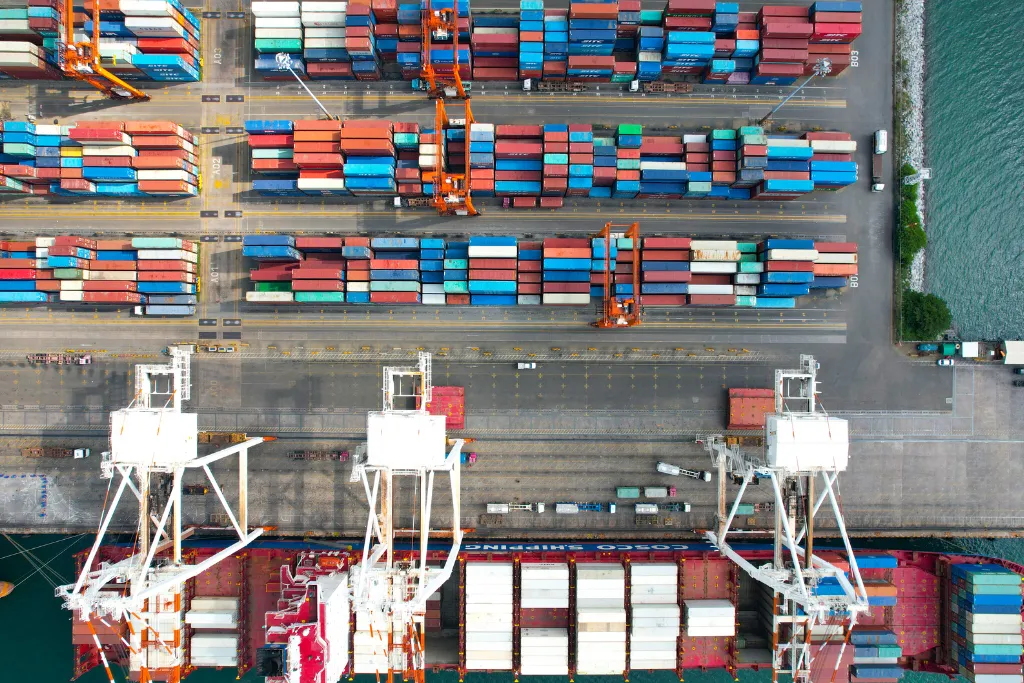
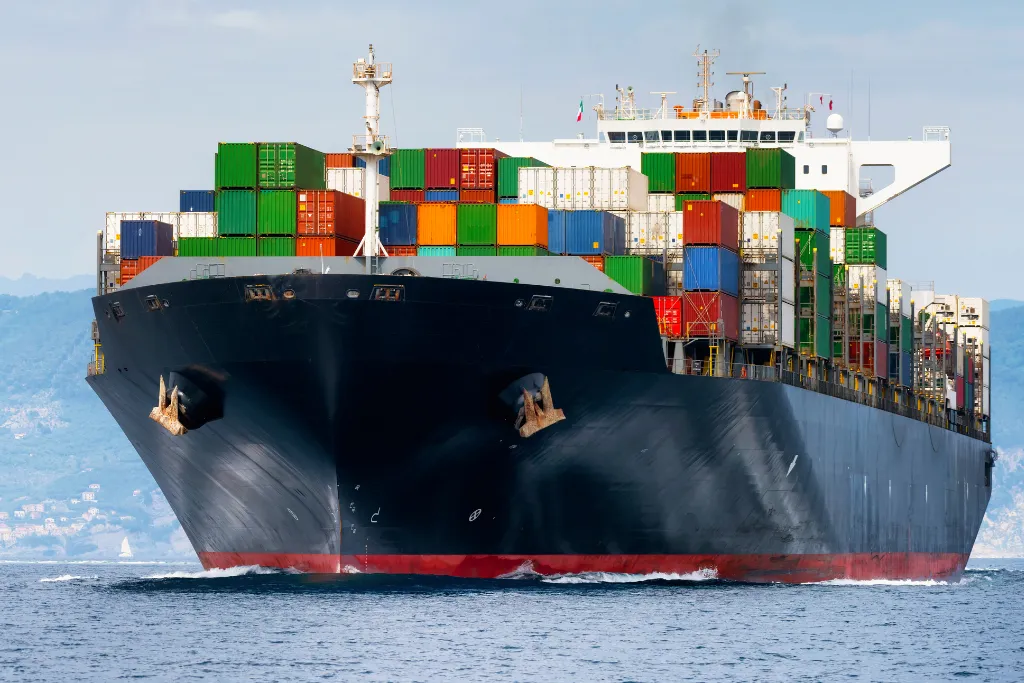
The choice of transport mode depends on a number of factors, including the type of goods, the desired delivery time, the cost and the destination. The main modes of transport are sea, air, land and rail. Each has its advantages and disadvantages. Sea freight, for example, is generally more economical for large quantities, while air freight is faster but more expensive.
Customs regulations and administrative formalities
A good knowledge of customs regulations is essential to avoid delays and unexpected costs. Each country has its own requirements in terms of customs documentation, classification of goods, customs duties and taxes. It is therefore important to prepare the necessary documents, such as commercial invoices, certificates of origin and shipping documents. Non-compliance with these regulations can result in sanctions, seizure of goods or major delays.
Selecting a reliable logistics partner
Choosing the right logistics partner can make all the difference to the success of international transport. A company specializing in logistics and international transport, with a solid track record and reputation, can ensure that the process runs smoothly. It's also important to work with partners who offer flexible solutions and proactive risk management, including security and delay management.
Monitoring and communication with stakeholders
Tracking goods during transport is essential to ensure that they arrive at their destination safely and on time. Thanks to modern technologies, many companies offer real-time tracking services that enable customers to check the status and location of their goods at every stage. Regular communication with logistics partners and customers also makes it easier to deal with unforeseen events and ensure quality service.
Conclusion: Optimize International Transport for Success
Réussir le transport international de marchandises nécessite une planification minutieuse, une bonne compréhension des régulations et une attention particulière aux détails, notamment en matière d’emballage et de suivi. En appliquant ces meilleures pratiques, les entreprises peuvent garantir que leurs expéditions arrivent à destination dans de bonnes conditions et dans les délais impartis, tout en maîtrisant les coûts. Un transport efficace et bien géré est un atout majeur pour toute entreprise qui souhaite se développer sur les marchés internationaux.